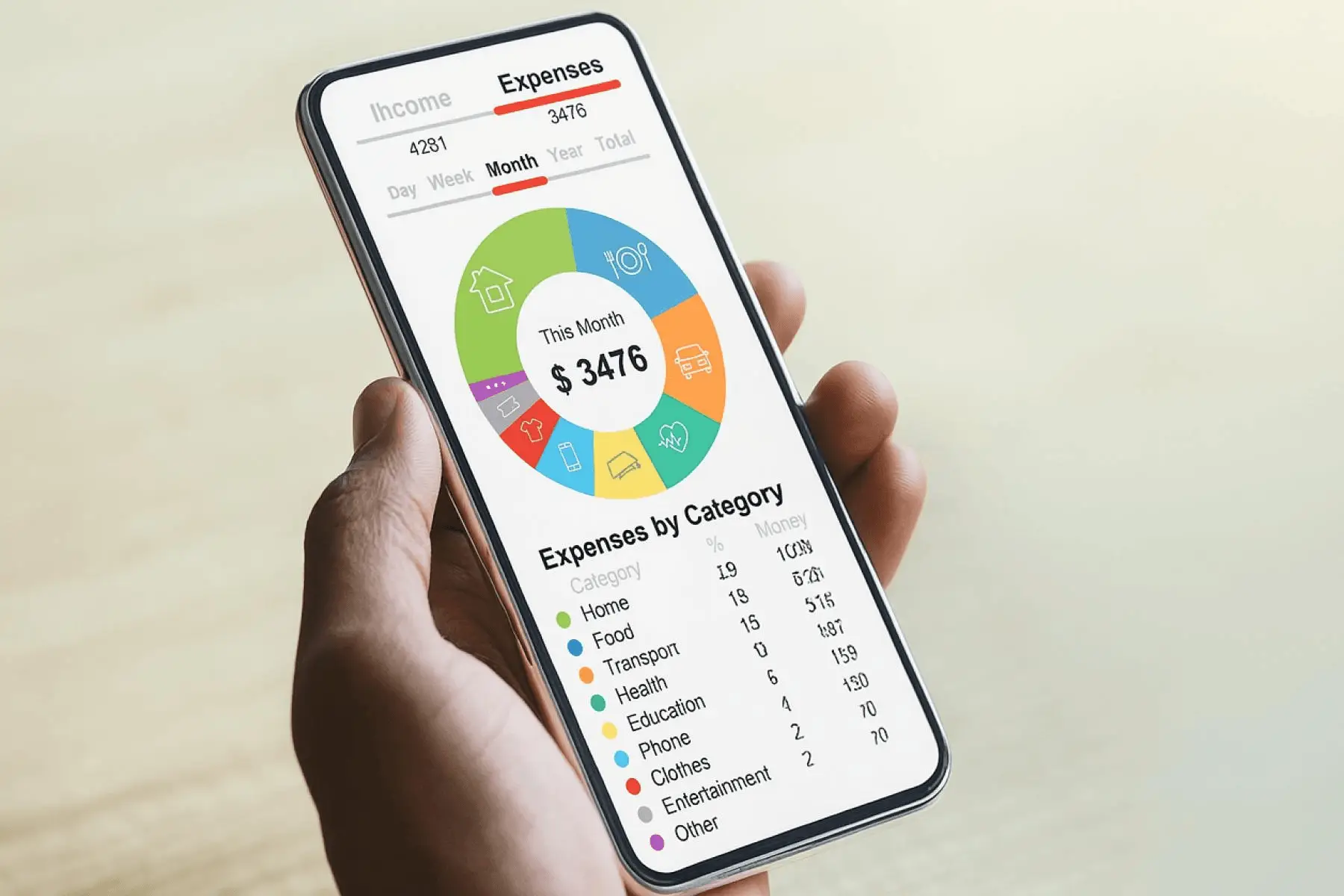
Smart Budgeting for Better Financial Control

Smart budgeting helps you control your finances by aligning income with expenses. It reduces unnecessary spending, supports savings, and ensures long-term financial stability through consistent planning, tracking, and disciplined money management.

Playbook Overview

A budget only works when it aligns with your real lifestyle and spending habits.

Key Principles

  • Plan based on actual income
  • Separate needs from wants
  • Always include savings
  • Stay flexible with changing expenses

Practical Tips

  • Use the 50/30/20 budgeting rule
  • Set a monthly spending limit
  • Avoid unnecessary impulse purchases
  • Track and adjust your budget regularly

Conclusion

Effective budgeting is about balance. When your plan matches your lifestyle, managing money becomes much easier and more sustainable.

The 10 Steps

No data was found
No data was found

Open a checking account, set up direct deposit, and get organized from day one.

Track your income and expenses so every dollar has a purpose.

Save 3–6 months of expenses to handle unexpected situations.

Focus on clearing costly debt first to save money on interest.

Begin with small amounts and let time grow your money.

Take full advantage of bonuses, retirement plans, and perks.

Use credit responsibly and pay bills on time to grow your score.

Look for ways to earn more through skills, side work, or growth.

Use insurance and smart planning to safeguard your finances.

Set long-term goals and create a roadmap to achieve them.

What You'll Achieve

Playbook Progress

Mark Step Complete
0%

On This Page

Ready To Earn More?

Check out the

The 10 Steps

No data was found
No data was found

Open a checking account, set up direct deposit, and get organized from day one.

Track your income and expenses so every dollar has a purpose.

Save 3–6 months of expenses to handle unexpected situations.

Focus on clearing costly debt first to save money on interest.

Begin with small amounts and let time grow your money.

Take full advantage of bonuses, retirement plans, and perks.

Use credit responsibly and pay bills on time to grow your score.

Look for ways to earn more through skills, side work, or growth.

Use insurance and smart planning to safeguard your finances.

Set long-term goals and create a roadmap to achieve them.

What You'll Achieve

Have questions or stuck on a step?

We’re here to help you succeed.
Scroll to Top